76 Gas Stations for Sale in Florida
The 76 brand belongs to Phillips 66, which took it on in the 2012 spin-off of ConocoPhillips' downstream business. It is a mark with deep West Coast heritage and a lighter presence on the Atlantic side, which makes a 76 site in Florida a slightly different proposition from a Shell or an Exxon on the same corridor.
Lighter presence cuts both ways, and both directions are worth pricing. There is less regional brand habit pulling customers in, and there are also fewer neighbors flying the same flag to split the trade area with. On a corridor where the majors are stacked against each other, that second effect is not nothing.
76 is a trademark of its owner. STAX Real Estate is an independent brokerage and is not affiliated with, endorsed by, or acting as an agent of 76.
76 Listings on the Market Now
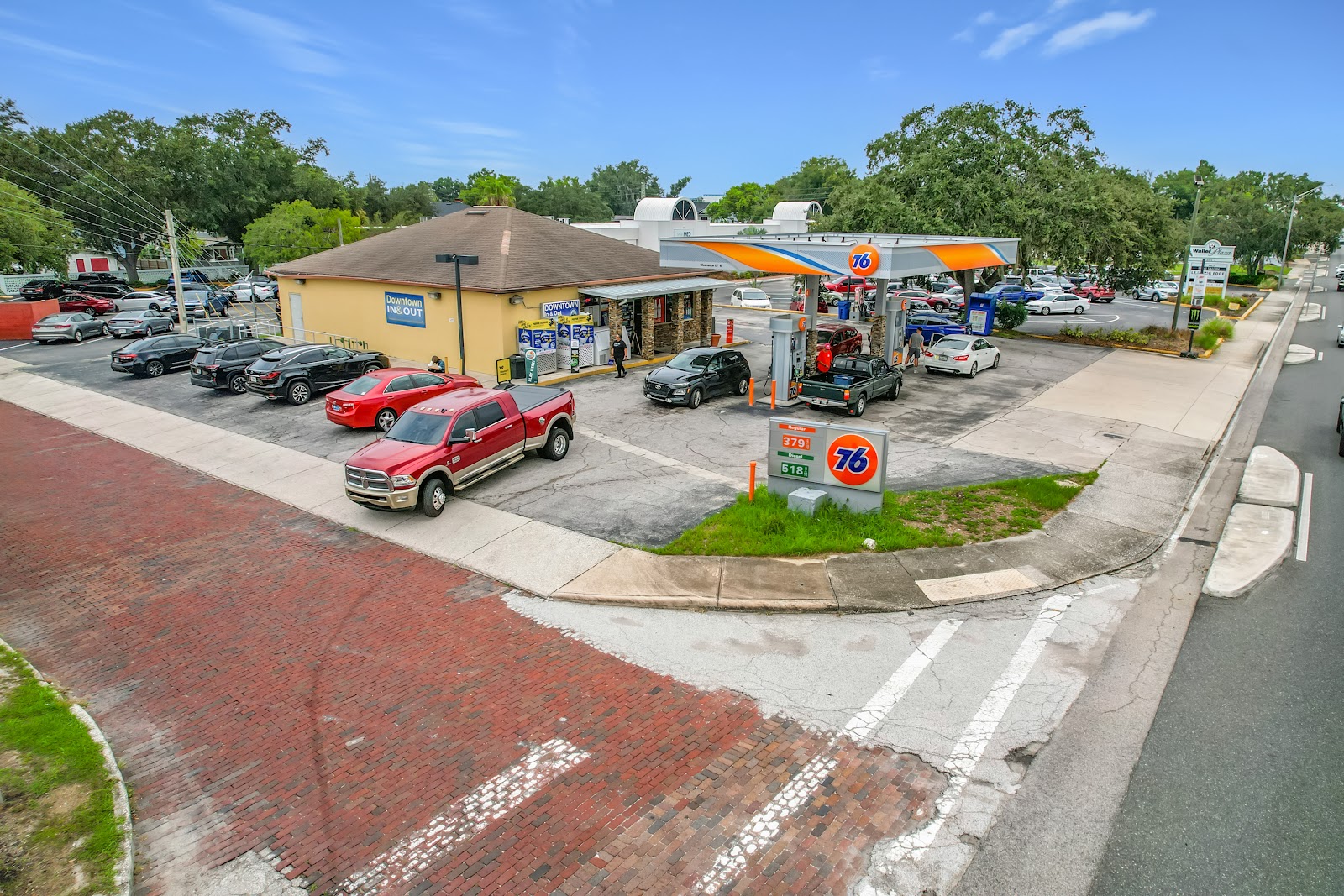
76 Gas Station — 825 S Florida Ave, Lakeland FL
Lakeland, FL · 2,960 SF · 0.328 AC · 76
What Matters When You Buy a 76
A less-common brand is a positioning question
Where a brand has thin local density, its recognition does less work and its scarcity does more. The site has to earn its gallons on access, price and store rather than on habit. That suits a well-located corner with a strong inside sales business and suits a passive underwriting assumption very poorly. Look hard at what the store contributes before you credit the canopy.
Conversion optionality is genuinely open
A site whose brand does not carry decades of local habit is a cheaper site to re-brand, because you are giving up less. That optionality has value at renewal: an operator with a credible alternative negotiates supply terms from a different position than one whose customer base would follow the sign anywhere but away from it.
The corner still decides
Traffic counts, turn-in geometry, signalization, and whether a competitor could realistically open nearby drive volume more than the brand does on any site — and more still on one where the brand is not doing local recognition work. Underwrite the parcel as though it were unbranded and treat the brand as an adjustment, not a premise.
How a branded fuel site actually works
Three assets, one price
Real estate, an operating business, and a fuel supply agreement. The first two get underwritten by almost every buyer; the third decides your cost of goods and your required capital, and it is the one most often read last.
The brand is licensed, not leased
The refiner does not operate the store or pay you rent. An independent operator or a branded wholesaler holds the rights and supplies the site, so ask who the supplier is and what term is left before you form a view on value.
PMPA sits underneath
The federal Petroleum Marketing Practices Act governs how a supplier may terminate or decline to renew a franchised dealer relationship. Useful protection, and not a substitute for reading the agreement you are inheriting.
Where Florida fuel sites trade
Florida is not one market. The same 76 site economics produce very different values in a bridge-constrained Pinellas corridor and an entitlement-constrained Miami-Dade one. Each market page covers what actually drives volume there.
76 FAQ
Who owns the 76 brand?
Phillips 66, which acquired the downstream business — including the 76 brand — when ConocoPhillips spun it off as an independent company in 2012. Sites flying the mark are operated by independent dealers and supplied through branded marketers, the same structure as the other major fuel brands in the US.
Does a 76 station sell for less in Florida?
Not because of the brand as such. Value follows gallons, inside sales, the real estate and the contract. Where a brand has thin local density, less of the volume is attributable to recognition and more to location and operation — which means a well-run 76 on a good corner can price comparably, while a poorly located one has less brand equity to hide behind.
Is it worth re-branding a 76 site?
Possibly, and the analysis is unusually clean here because the switching cost in lost customer habit is lower than on a brand with fifty years on the corner. Weigh the image capital and any new term commitment against the gallons and price position the incoming brand would bring. Get the remaining term on the current agreement first — it decides whether the option exists at all.
Buying or selling a 76 site?
250+ properties sold and leased, $525M+ in volume, by a broker who ran a dozen locations as CEO before ever writing a listing agreement. Tell us what you're trying to accomplish.